
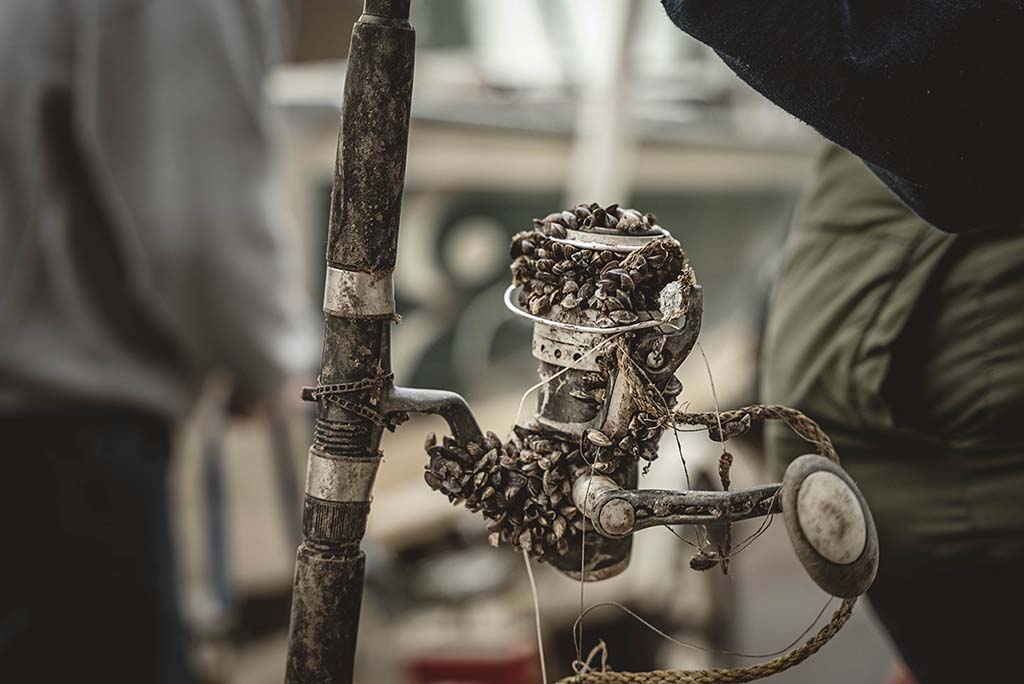
Manitoba has confirmed the detection of invasive zebra mussels in Lake Winnipegosis and Waterhen Lake, reinforcing the importance of taking action to prevent the spread of aquatic invasive species (AIS).
The initial Lake Winnipegosis detection was reported by a local fisher who discovered zebra mussels attached to their boat after removing it from the water. Samples collected in late August were subsequently analyzed and confirmed the presence of zebra mussel larvae (veligers) in both Lake Winnipegosis and Waterhen Lake, which is downstream from Lake Winnipegosis.
At this time, zebra mussels have only been confirmed in the south end of Lake Winnipegosis, and additional monitoring is underway to determine the extent of the invasion.
Clean, Drain, Dry: Every Time
Effective immediately, all water users leaving Lake Winnipegosis and Waterhen Lake are required to decontaminate their watercraft and water-related equipment before launching in another waterbody.
This is an important reminder that preventing the spread of AIS starts with every angler, boater and other water user.
MWF has been helping Manitobans understand the importance of AIS prevention through our Clean, Drain, Dry video series, providing simple, practical information on how to prevent invasive species from hitching a ride to the next lake or river.
Whether you’re fishing, boating, hunting or enjoying Manitoba’s waterways, make Clean, Drain, Dry part of your routine:
CLEAN off aquatic plants, mud and debris.
DRAIN all water from your boat, motor, live well, bait bucket and equipment.
DRY your watercraft and equipment completely before entering another waterbody.
Taking a few extra minutes can help protect Manitoba’s lakes, rivers and fisheries from the spread of invasive species.
For information on decontaminating your watercraft and equipment, visit Manitoba’s AIS resources: Manitoba AIS Decontamination Information.
Check out MWF’s AIS Video Series Here: AIS Video Series – Video 1 “What is AIS”? – Manitoba Wildlife Federation


